
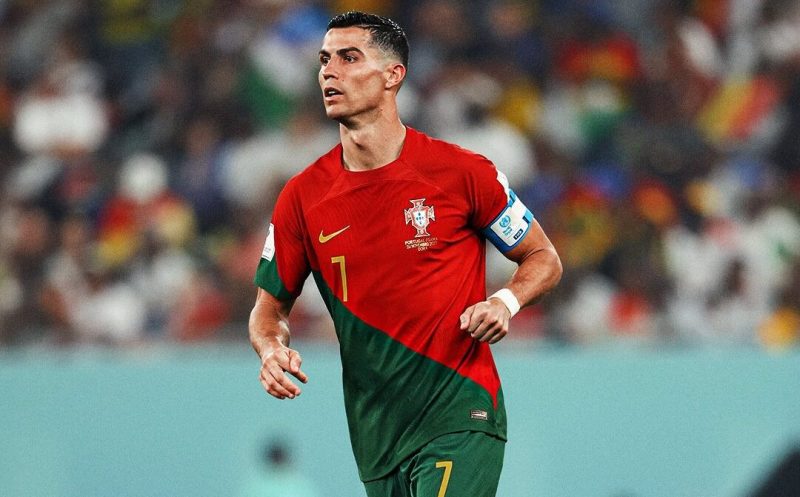
5 Psychological Reasons Why Watching Sports Makes You Happier
Millions of people tune in to sports every day. They fill stadiums, gather in living rooms, and follow every score update on their phones. For many fans, sports are more than entertainment. They are a source of excitement, connection, and joy.
That feeling is not just in your imagination. Researchers have found that watching sports can improve happiness and overall well-being. The experience engages the brain, strengthens social bonds, and satisfies important psychological needs that help people feel fulfilled.
More often than not, sports fandom gets dismissed as a simple hobby. Science tells a different story. The emotional highs that come from watching a game are tied to real biological and psychological processes. Those effects can have a meaningful impact on how people feel in their daily lives.
Your Brain Gets a Natural Reward Boost

Silver / Pexels / One of the key reasons sports make you happier comes down to brain chemistry. During an exciting game, the brain responds to key moments as if they matter personally.
A game-winning goal, a dramatic comeback, or a last-second victory can trigger powerful emotional reactions.
When those moments happen, the brain releases dopamine. This chemical is closely linked to pleasure, motivation, and reward. It creates the rush of excitement that fans often feel when their team succeeds.
Endorphins can also enter the picture during emotionally charged moments. These chemicals help create positive feelings and contribute to the sense of enjoyment people experience while watching sports.
Researchers have also found that the brain actively engages with the action on the field. Instead of simply observing, spectators often mentally simulate what athletes are doing. The brain reacts as if it is participating in the competition.
This process makes the experience feel more personal and immersive. Fans become emotionally invested because their brains are actively involved in what they are watching.
Sports Create a Powerful Sense of Belonging
Humans are social creatures. Strong relationships and meaningful connections play a major role in happiness. Watching sports often provides both.
Fans rarely experience sports in isolation. They watch games with friends, family members, coworkers, and fellow supporters. Even when people watch from home, they often connect through social media, group chats, or online communities.
These interactions create a sense of belonging. People feel connected to something larger than themselves. They become part of a shared identity built around a team, a city, or a common passion.
The emotional journey strengthens these bonds. Fans celebrate victories together and endure losses together. Shared experiences often create stronger relationships because they generate lasting memories.
Uncertainty Makes Every Game Exciting
One unique feature of sports is unpredictability. No one knows exactly how a game will end. That uncertainty creates anticipation and keeps people engaged from start to finish.
The brain enjoys situations that combine suspense with potential reward. Every close game offers a chance for an exciting outcome. That anticipation activates emotional and cognitive systems that make the experience feel meaningful.
Even routine games can become memorable because of unexpected twists. A surprise upset, a dramatic comeback, or an underdog victory can produce powerful emotional reactions that stay with fans for years.
Watching Sports Satisfies Key Psychological Needs

Diki / Pexels / Psychologists have identified several basic needs that contribute to human well-being. These include relatedness, competence, and autonomy. Watching sports can help satisfy all three.
Relatedness is the easiest to understand. Fans connect with other people through a shared interest. They feel part of a community and develop meaningful social ties through their involvement.
The need for competence is also important. People enjoy seeing skill, mastery, and achievement. Athletes display these qualities at the highest levels. Fans often experience a sense of accomplishment by identifying with their favorite teams and players.
Sports Give People Something Positive to Share
Modern life can sometimes feel fragmented. People often move between work, family responsibilities, and personal obligations without many shared experiences. Sports help fill that gap.
A major game creates a common topic that brings people together. Conversations start naturally because everyone has something to discuss. This shared interest helps strengthen social ties across different age groups and backgrounds.
Sports also generate positive emotions that spread through groups. Excitement, celebration, and hope are contagious. When fans share these emotions, the overall experience becomes even more enjoyable.
More in Latest News
-
`
 Odell Beckham Jr. Turns Heads at Giants Camp, Cites LeBron James for His NFL Comeback
Odell Beckham Jr. is back with the New York Giants, but nostalgia will not guarantee him a roster spot. The 33-year-old...
August 22, 2026 -
`
Ben Shalom Clashes With talkSPORT Host Over Zuffa Boxing
Zuffa Boxing is already creating tension in professional boxing, with BOXXER promoter Ben Shalom openly challenging the promotion’s growing influence. The...
August 21, 2026 -
`
Browns Lock Up Grant Delpit With $48M Extension as Cleveland Doubles Down on Defense
The Cleveland Browns have made another major investment in their defense. The team has signed veteran safety Grant Delpit to a...
August 15, 2026 -
`
Denzel Ward Signs $62.2M Browns Extension to Become the Highest-Paid DB
The Cleveland Browns have rewarded one of the league’s most consistent cornerbacks with a historic contract. Denzel Ward has agreed to...
August 15, 2026 -
`
Did Rich Paul Hint at LeBron James Joining the 76ers?
LeBron James’ decision to join the Philadelphia 76ers quickly became one of the biggest talking points of the NBA offseason in...
August 14, 2026 -
`
Jake Paul Responds to Critics Over Record Netflix Boxing Viewership
Jake Paul continues to face criticism over his boxing career, but the social media star turned professional boxer believes the conversation...
August 8, 2026 -
`
How the Muhammad Ali Boxing Revival Act Could Change Boxing Forever
Professional boxing could soon enter a new era. A proposed law known as the ‘Muhammad Ali Boxing Revival Act’ has become...
August 8, 2026 -
`
Lewis Hamilton Wins First Ferrari Race at Barcelona Grand Prix 2026
Lewis Hamilton delivered one of the defining moments of the 2026 Formula 1 season by claiming his first race victory with...
August 7, 2026 -
`
Kevon Looney Shares How Stephen Curry Shaped His Lakers Role
The Los Angeles Lakers added another experienced frontcourt player during the 2026 NBA free agency period by signing Kevon Looney to...
August 1, 2026







More From Refinance Gold
-
Is It Time to Worry About the No. 1-Seed Minnesota Lynx?
The Minnesota Lynx secured the No. 1 seed in the WNBA playoffs, but the timing of their latest slump has created...
BasketballOctober 8, 2026 -
Guernsey Boxing Coach Mandy Hobart Receives 2026 Community Award
Mandy Hobart has received the 2026 BBC Radio Guernsey Make a Difference Award for her long-running work in boxing and community...
BoxingOctober 4, 2026 -
Chicago Bears Aim for NFL History as Scoring Record Hopes Hinge on Consistency
The Chicago Bears entered the 2026 NFL season chasing a number that has survived for more than a decade. Head coach...
FootballOctober 3, 2026 -
Cavan Sullivan, 16, Earns First USMNT Call-Up After MLS Breakout
Cavan Sullivan has quickly become one of the most talked-about young players in Major League Soccer. Now, the 16-year-old Philadelphia Union...
Latest NewsOctober 3, 2026 -
Caitlin Clark and Angel Reese Put Rivalry Aside for Team USA
Caitlin Clark and Angel Reese built one of women’s basketball’s most talked-about rivalries. Now, the two stars are sharing the court...
BasketballSeptember 27, 2026


You must be logged in to post a comment Login