How the Muhammad Ali Boxing Revival Act Could Change Boxing Forever
Professional boxing could soon enter a new era. A proposed law known as the ‘Muhammad Ali Boxing Revival Act’ has become one of the sport’s biggest talking points. Supporters believe it could fix many of boxing’s long-standing problems. Critics argue it could weaken the rights that fighters have spent decades protecting.
The proposed legislation has already sparked heated debates across the boxing world. Promoters, lawmakers, former champions, and members of the boxing legend’s family have all weighed in. The discussion is not just about business. It is about the future of one of the world’s oldest and most respected sports.
A New Vision for Professional Boxing
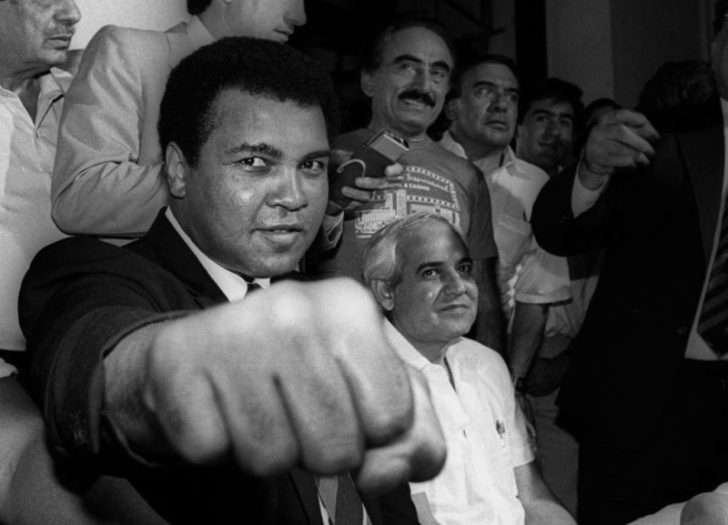
Ali / IG / Passed in 2000, the original Muhammad Ali Boxing Reform Act was designed to protect professional boxers from unfair treatment.
It introduced rules that limited conflicts of interest between promoters and managers while creating independent ranking systems.
The original law gave fighters more freedom and greater bargaining power. It also aimed to prevent promoters from controlling every part of a boxer’s career. Those protections were widely seen as an important step toward making the sport fairer.
The Muhammad Ali Boxing Revival Act takes a very different approach. Instead of keeping boxing divided among several promoters and sanctioning bodies, the bill would allow the creation of a Unified Boxing Organization, commonly called the UBO.
Under that system, one organization could oversee promotions, championship titles, rankings, and exclusive fighter contracts. The model closely resembles the structure used by the Ultimate Fighting Championship, better known as the UFC. Supporters believe a single organization would make it much easier to organize the biggest fights in boxing.
The Bill Has Divided the Boxing World
The proposed legislation has attracted strong political support. Senators Ted Cruz of Texas and Jackie Rosen of Nevada introduced the Senate version of the bill in July 2026 after the House of Representatives approved an earlier version in March. Since both versions contain differences, lawmakers must still agree on a final draft before it can reach President Donald Trump for consideration.
The legislation has also drawn attention because of its ties to Dana White and Zuffa Boxing. White has long expressed interest in bringing the UFC’s business model into professional boxing. Many observers see the Revival Act as an opportunity for Zuffa Boxing to establish a major presence in the sport.
Supporters argue that boxing has become too fragmented. They believe too many organizations claim world champions, too many promoters compete for control, and too many negotiations collapse before major fights become reality.
According to supporters, the Revival Act would simplify the sport. A unified system could produce more championship fights, stronger health and safety rules, and minimum pay standards for fighters.
On the other hand, critics see the proposal very differently. Many fear that concentrating so much power within a single organization could reduce competition and limit opportunities for fighters. Instead of increasing freedom, opponents believe the bill could leave boxers with fewer choices and weaker negotiating positions.
Muhammad Ali’s Family Pushes Back
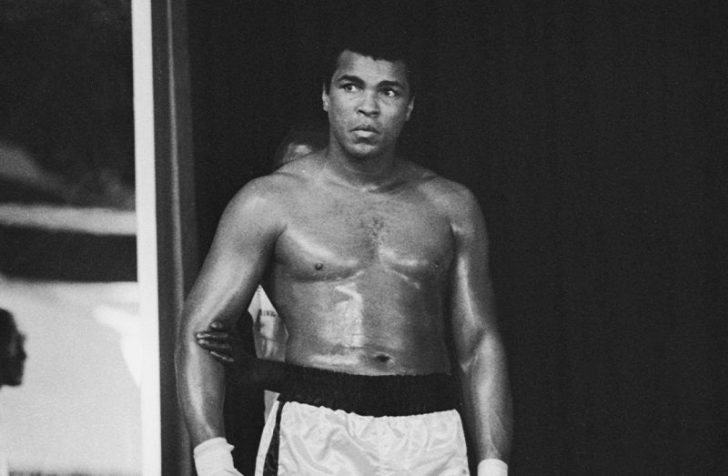
Ali / IG / One of the loudest voices against the bill comes from Muhammad Ali’s own family. Nico Ali Walsh, the legendary champion’s grandson and a professional boxer, has publicly criticized the legislation and even testified before Congress.
Ali Walsh argues that the proposal goes against everything the original Muhammad Ali Boxing Reform Act stood for. The celebrated heavyweight champion fought for fairness inside and outside the ring. According to Ali Walsh, placing a single organization in charge of contracts, promotions, rankings, and championships would eliminate many of those protections.
The young boxer has described the proposal as creating a monopoly. In that type of system, one organization could hold enormous influence over a fighter’s career from the first contract to the final championship opportunity. Critics believe that an imbalance could reduce a boxer’s leverage during negotiations.
Ali Walsh has also said that the iconic champion would never have supported such a system. The Hall of Fame boxer spent much of a remarkable career standing up to powerful institutions and defending personal freedom. That history makes the use of the boxing legend’s name especially controversial for opponents of the bill.
More in Boxing
-
`
 Kevon Looney Shares How Stephen Curry Shaped His Lakers Role
The Los Angeles Lakers added another experienced frontcourt player during the 2026 NBA free agency period by signing Kevon Looney to...
August 1, 2026 -
`
LeBron James Joins the Philadelphia 76ers for Historic 24th Season
LeBron James has made the biggest move of the 2026 NBA offseason. The NBA’s all-time leading scorer is heading to the...
August 1, 2026 -
`
Here’s the Full List of American Conference 2026 All-Conference Football Selections
The American Athletic Conference enters the 2026 season with a talented group of players across every position. The preseason All-Conference Team...
July 30, 2026 -
`
Erling Haaland Slams Excessive VAR Wait as Mbappé Misses Penalty Before Scoring France Winner
France reached another FIFA World Cup semifinal, but the biggest talking point was not the final score. Instead, attention quickly shifted...
July 26, 2026 -
`
Erling Haaland Reacts to Mbappé’s Penalty Delay in France vs Morocco
The FIFA World Cup 2026 quarterfinal between France and Morocco delivered high-quality football, but one controversial moment quickly became the biggest...
July 26, 2026 -
`
Conor McGregor Signals Interest in Floyd Mayweather Jr. Boxing Rematch
The possibility of another showdown between Conor McGregor and Floyd Mayweather Jr. has returned to the spotlight. Nearly a decade after...
July 24, 2026 -
`
Navy Leads the Way as Athlon Sports Reveals 2026 American Conference All-Conference Team
The countdown to the 2026 college football season has already begun, and Athlon Sports has added plenty of excitement with its...
July 19, 2026 -
`
ESPN Picks Only Two Alabama Players Among the Best Football Players By Jersey Number
College football’s offseason always brings a wave of rankings. Fans debate everything from uniforms and stadiums to mascots and legendary teams....
July 19, 2026 -
`
NBA Introduces “One Free Throw” Rule During Summer League Games
The NBA Summer League is bringing noticeable changes to the court this year. The league has announced a new one free...
July 17, 2026







More From Refinance Gold
-
NFL Expands Global Reach in Search of the “Next 50 Million Fans”
The NFL is looking beyond the United States for its next major wave of growth. After building a highly profitable domestic...
Latest NewsSeptember 20, 2026 -
Caitlin Clark, Paige Bueckers, and Angel Reese Are Taking Team USA Global
Caitlin Clark, Paige Bueckers, and Angel Reese have spent years drawing huge crowds in American basketball. Now, three of the sport’s...
BasketballSeptember 19, 2026 -
Katie Taylor Reflects on Her Boxing Career With Gratitude
Katie Taylor reached the closing chapter of her professional boxing career on Saturday in Ireland, bringing a remarkable run to its...
BoxingSeptember 18, 2026 -
Jim Brown Statue Draws Protest Signs Over Deshaun Watson
A protest outside Cleveland Browns Stadium has put fresh attention on the team’s decision to keep Deshaun Watson as its starting...
FootballSeptember 13, 2026 -
Joey and Jesse Buss Bring Their Lakers Front Office Expertise to the Padres’ New Ownership Group
Joey and Jesse Buss are taking their experience from the Los Angeles Lakers into Major League Baseball. The sons of late...
Latest NewsSeptember 13, 2026




You must be logged in to post a comment Login