
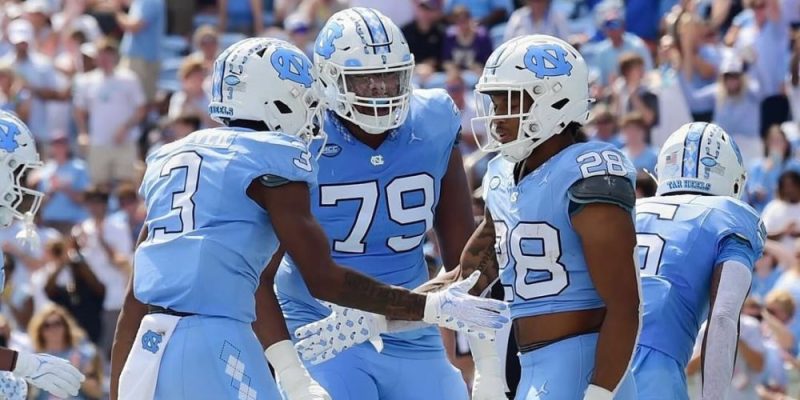
Why North Carolina’s Unsettled QB Room Raises Concerns for 2026
North Carolina football has enjoyed rare consistency at quarterback for nearly a decade. From Mitchell Trubisky’s rise into the No. 2 overall pick in the 2017 NFL Draft to Sam Howell’s productive run under Mack Brown, the Tar Heels rarely entered a season questioning the future of the position. Drake Maye continued that trend and eventually became one of college football’s most respected passers before heading toward the NFL and the “New England Patriots,” where Bill Belichick built his legacy.
That history makes the current situation in Chapel Hill feel unfamiliar.
As Bill Belichick enters his second season leading North Carolina, the quarterback room remains unsettled. The Tar Heels have multiple candidates capable of starting Week 1 against TCU in Dublin, yet none has fully separated from the group. The uncertainty may not only affect 2025. It could also shape the direction of the program heading into 2026.
Why Quarterback Stability Matters
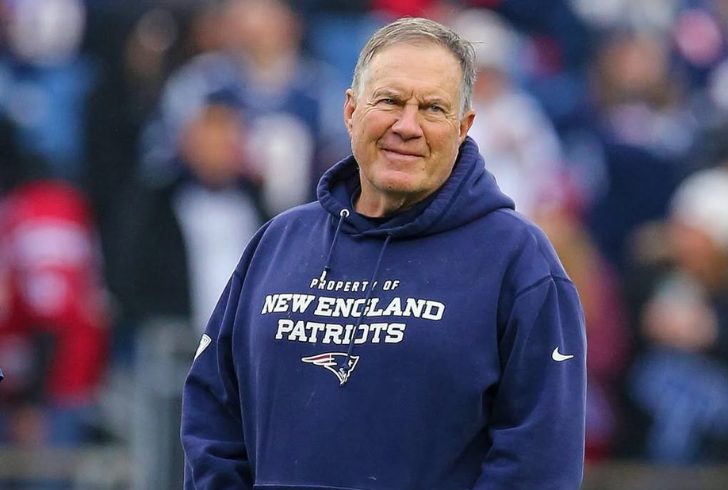
Instagram | @nfl | Belichick’s undecided QB room leaves North Carolina’s short- and long-term future up in the air.
Programs that rotate quarterbacks too often rarely find sustained success. College football has repeatedly shown how instability at the position can disrupt offensive rhythm, recruiting momentum, and locker-room confidence.
The NFL offers similar examples. The “Cleveland Browns” have spent decades searching for consistency under center, while the “New York Jets” repeatedly missed on long-term answers at quarterback. North Carolina now faces a smaller version of that same issue.
Belichick and offensive coordinator Bobby Petrino must determine which quarterback can handle immediate expectations while also becoming the face of the program moving forward. The competition currently centers around Myles O’Neil, Billy Edwards Jr., Au’Tori Newkirk, and Travis Burgess.
The challenge became tougher after Gio Lopez and Max Johnson both exited during the offseason. Their departures removed experienced options from the room and increased pressure on the remaining candidates.
Billy Edwards Jr. brings the most experience, making him the safer short-term option. Yet the ceiling of the offense may depend on a younger player with more upside. That reality has pushed Travis Burgess into the spotlight.
Travis Burgess Continues to Gain Attention
Among fans and analysts, Burgess has emerged as the popular choice to become North Carolina’s next starting quarterback. His physical tools and playmaking traits have sparked comparisons to the impact Sam Howell made as a freshman in 2019.
The excitement is understandable, although expectations may be climbing too quickly.
There is still a possibility that Bobby Petrino views Burgess as a longer-term project better suited for 2027. At the same time, North Carolina may not have the luxury of waiting. After an uneven transition period under Belichick, the program needs visible progress this season.
That creates a difficult balancing act.
Starting a true freshman usually comes with mistakes, uneven performances, and moments of frustration. Even highly talented quarterbacks require time to adjust to the speed and pressure of college football. Still, Burgess may offer the highest upside in a quarterback room that lacks a proven long-term answer.
Other Quarterbacks Still Remain in the Mix
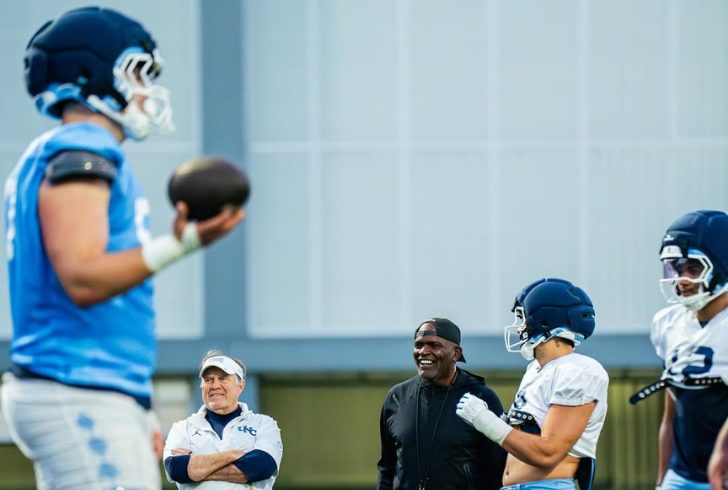
Instagram | @uncfootball | Upgraded running backs and tight ends will ease North Carolina’s transition to a new quarterback.
Myles O’Neil and Au’Tori Newkirk cannot be overlooked in this competition.
Newkirk, a redshirt freshman, arrived as part of Belichick’s first recruiting class and represents a developmental option the coaching staff already understands well. O’Neil took a different route after spending time at Texas A&M, where Marcel Reed eventually claimed control of the depth chart. Reed has already started receiving dark-horse Heisman attention entering the upcoming season.
Even with those storylines, neither quarterback currently carries the same momentum as Burgess.
The larger concern is whether North Carolina can avoid creating a weekly quarterback debate. Constant changes at the position often signal deeper offensive uncertainty. That situation can quickly damage confidence across the roster.
What North Carolina Must Decide Before 2026
North Carolina appears stronger around the quarterback position than it did a season ago, especially at running back and tight end. That support system could help a younger passer settle into the offense more quickly.
The real question is whether the coaching staff prioritizes experience or long-term growth.
Older quarterbacks may provide a steadier floor early in the season, but Burgess arguably offers the most intriguing future for the program. If the Tar Heels truly believe he can become the centerpiece of the offense, delaying the transition may only extend the instability.
The Tar Heels are approaching a defining moment at quarterback. A revolving door at the position could place North Carolina in another reset by 2026. Choosing one starter and allowing that player to grow through mistakes may be the only path toward long-term consistency.
Belichick’s first major quarterback decision in Chapel Hill now carries significant weight. Whether the answer is Travis Burgess, Billy Edwards Jr., Myles O’Neil, or Au’Tori Newkirk, North Carolina cannot afford another season searching for direction at the sport’s most important position.
More in Football
-
`
 Odell Beckham Jr. Turns Heads at Giants Camp, Cites LeBron James for His NFL Comeback
Odell Beckham Jr. is back with the New York Giants, but nostalgia will not guarantee him a roster spot. The 33-year-old...
August 22, 2026 -
`
Ben Shalom Clashes With talkSPORT Host Over Zuffa Boxing
Zuffa Boxing is already creating tension in professional boxing, with BOXXER promoter Ben Shalom openly challenging the promotion’s growing influence. The...
August 21, 2026 -
`
Browns Lock Up Grant Delpit With $48M Extension as Cleveland Doubles Down on Defense
The Cleveland Browns have made another major investment in their defense. The team has signed veteran safety Grant Delpit to a...
August 15, 2026 -
`
Denzel Ward Signs $62.2M Browns Extension to Become the Highest-Paid DB
The Cleveland Browns have rewarded one of the league’s most consistent cornerbacks with a historic contract. Denzel Ward has agreed to...
August 15, 2026 -
`
Did Rich Paul Hint at LeBron James Joining the 76ers?
LeBron James’ decision to join the Philadelphia 76ers quickly became one of the biggest talking points of the NBA offseason in...
August 14, 2026 -
`
Jake Paul Responds to Critics Over Record Netflix Boxing Viewership
Jake Paul continues to face criticism over his boxing career, but the social media star turned professional boxer believes the conversation...
August 8, 2026 -
`
How the Muhammad Ali Boxing Revival Act Could Change Boxing Forever
Professional boxing could soon enter a new era. A proposed law known as the ‘Muhammad Ali Boxing Revival Act’ has become...
August 8, 2026 -
`
Lewis Hamilton Wins First Ferrari Race at Barcelona Grand Prix 2026
Lewis Hamilton delivered one of the defining moments of the 2026 Formula 1 season by claiming his first race victory with...
August 7, 2026 -
`
Kevon Looney Shares How Stephen Curry Shaped His Lakers Role
The Los Angeles Lakers added another experienced frontcourt player during the 2026 NBA free agency period by signing Kevon Looney to...
August 1, 2026



More From Refinance Gold
-
Is It Time to Worry About the No. 1-Seed Minnesota Lynx?
The Minnesota Lynx secured the No. 1 seed in the WNBA playoffs, but the timing of their latest slump has created...
BasketballOctober 8, 2026 -
Guernsey Boxing Coach Mandy Hobart Receives 2026 Community Award
Mandy Hobart has received the 2026 BBC Radio Guernsey Make a Difference Award for her long-running work in boxing and community...
BoxingOctober 4, 2026 -
Chicago Bears Aim for NFL History as Scoring Record Hopes Hinge on Consistency
The Chicago Bears entered the 2026 NFL season chasing a number that has survived for more than a decade. Head coach...
FootballOctober 3, 2026 -
Cavan Sullivan, 16, Earns First USMNT Call-Up After MLS Breakout
Cavan Sullivan has quickly become one of the most talked-about young players in Major League Soccer. Now, the 16-year-old Philadelphia Union...
Latest NewsOctober 3, 2026 -
Caitlin Clark and Angel Reese Put Rivalry Aside for Team USA
Caitlin Clark and Angel Reese built one of women’s basketball’s most talked-about rivalries. Now, the two stars are sharing the court...
BasketballSeptember 27, 2026


You must be logged in to post a comment Login