
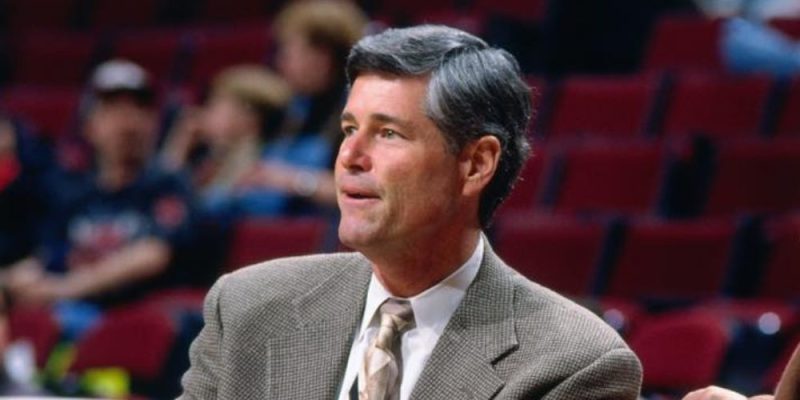
The Remarkable Basketball Journey of Pete Babcock
Pete Babcock did not start his journey under bright NBA lights. Instead, he began as a high school coach and teacher, shaping young players and building a deep understanding of the game.
However, that early chapter quickly evolved into something far greater. Over the next four decades, Babcock carved out a 42-year career in the NBA, taking on roles that ranged from scout to team president.
Although many careers follow a straight line, Babcock’s path moved in unexpected directions. Still, each step added experience. Each role sharpened his perspective. Because of that, his influence reached far beyond a single position.
A Career Built on Initiative
Breaking into the NBA rarely happens by accident. Babcock created his own opportunity. While coaching in Phoenix, he contacted Suns executive Jerry Colangelo without any prior connection. That bold move opened a small door.
Colangelo offered him a role in ticket sales. Although the position did not connect directly to basketball operations, it provided access. Yet Babcock wanted more. So, he took action.
He began recording games using early video equipment. Then, he analyzed plays, studied players, and wrote detailed scouting reports. Instead of waiting for recognition, he sent those reports to NBA teams.
One opportunity finally came through. The New Orleans Jazz responded and allowed him to scout games for free. Reflecting on that moment, Babcock later described it as “working without pay but gaining priceless experience that shaped everything ahead.”
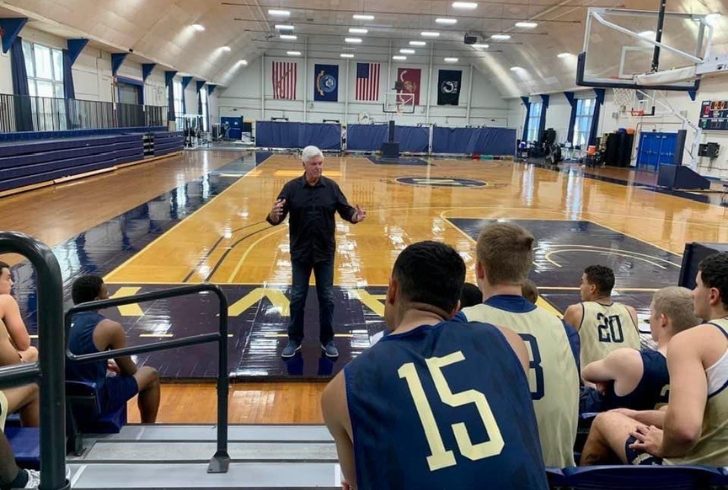
Instagram | @pete.babcock.92 | Pete Babcock created his NBA path through persistence, scouting work, and personal initiative.
Learning Through Mentorship
Growth accelerated once mentors entered the picture. Bill Bertka guided Babcock early in his scouting days. Meanwhile, Jack McCloskey reviewed his reports and offered feedback that refined his skills.
Eventually, McCloskey trusted him enough to pay for his work. That shift marked a turning point. It proved that consistent effort leads to real opportunity.
At the same time, Babcock enjoyed the process. He once expressed that the joy of learning and analyzing the game mattered more than knowing where the journey would lead. That mindset kept him focused and motivated.
Moving Into Coaching and Management
Babcock’s next step came when Paul Silas brought him onto the San Diego Clippers’ coaching staff. That role placed him directly on the bench, where he gained firsthand experience in game strategy and team dynamics.
However, another shift soon followed. The organization offered him a front-office role as director of player personnel. Although the move felt uncertain, it opened a new path.
Silas advised him carefully, suggesting that coaching roles can disappear quickly. Babcock listened. As a result, he accepted the position and began exploring management.
Soon after, he stepped into the general manager role. Even though he admitted he was not fully prepared, he embraced the challenge. That willingness to grow under pressure defined much of his career.
Finding Stability and Success
After leaving the Clippers, Babcock joined the Denver Nuggets. That chapter brought both stability and enjoyment. Working alongside coach Doug Moe, he experienced a strong team culture filled with energy and creativity.
During his time in Denver, he advanced from player personnel director to general manager and eventually team president. In addition, he became a minority owner. These roles expanded his influence and allowed him to shape team direction.
Later, his career continued with the Atlanta Hawks, Toronto Raptors, and Cleveland Cavaliers. Over time, his teams developed multiple All-Stars and award-winning players. Eventually, he earned an NBA championship ring with the Cavaliers during the 2015–16 season.
When reflecting on a Hall of Fame nomination, he shared that “the recognition felt deeply humbling and meaningful.” That response highlighted his grounded perspective.
A Deeper Commitment Beyond Basketball
Babcock’s story extends beyond wins and losses. His interest in civil rights began during his college years in the 1960s. Watching national events unfold sparked a lasting awareness.
Later, his father’s involvement in the Phoenix Urban League introduced him to influential figures, including Jesse Owens. Through that connection, Babcock spent years learning and engaging with important social issues.
While teaching history, he introduced Black history lessons into his classes. He also invited Owens to speak to students, creating powerful learning experiences.
When he entered the NBA, that awareness took on new meaning. He observed real-life challenges faced by players, including racial profiling. Because of that, he believed the sport could serve a larger purpose.
He often emphasized that basketball could act as “a bridge for inclusion and progress, not just competition.”
Understanding Basketball’s Cultural Impact
Through research and experience, Babcock explored the deeper history of the sport. He highlighted the role of early Black basketball leagues, which promoted integration before the NBA fully embraced it.
Teams like the New York Renaissance helped shape the game’s direction. They also demonstrated how diversity could strengthen competition.
Babcock also studied figures like Red Auerbach, who learned from Black teams early in his career. Those lessons later influenced one of the greatest dynasties in NBA history.
Because of these insights, Babcock viewed basketball as more than entertainment. He saw it as a cultural force that reflects and influences society.
Teaching and Sharing Knowledge
After leaving the Atlanta Hawks, Babcock returned to education. Emory University invited him to teach seminars on basketball history and social impact.
In those sessions, he shared decades of experience. He connected the evolution of the NBA with broader cultural movements. Students gained insight not only into the game but also into its significance.
His book, “Courts of Justice: A Life in Basketball and Activism,” brought those ideas together. It combined personal stories with historical analysis, offering readers a deeper understanding of the sport.
Thoughts on Today’s NBA
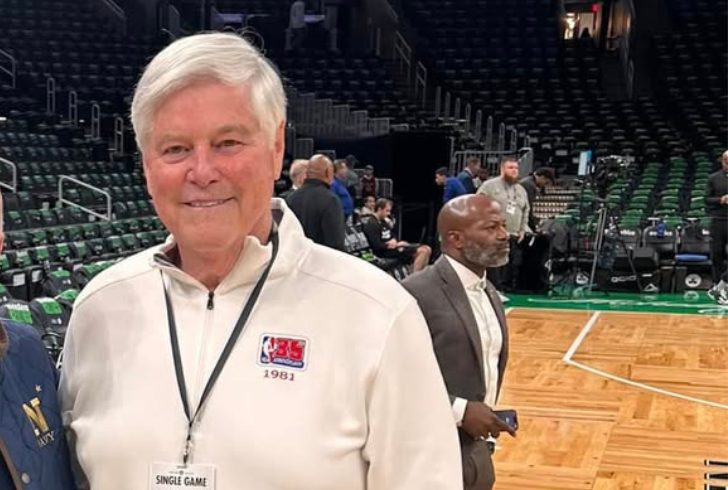
Instagram | @pete.babcock.92 | Pete Babcock’s career continues inspiring others through leadership, persistence, and a lifelong commitment to basketball.
Babcock remains thoughtful about modern basketball trends. He has expressed concern about the heavy reliance on three-point shooting. In his view, constant perimeter shots reduce the variety that once defined the game.
He explained that a balanced approach, including inside play and movement, creates a more engaging experience. He also pointed to players like Alex English, noting that such styles might struggle in today’s system.
Meanwhile, he recognizes the growth of talent across the league. He believes expansion presents both opportunity and challenge. While more teams increase access, they also spread elite talent more thinly.
One of Babcock’s most meaningful perspectives centers on success. He does not believe championships should define every season. Instead, he values competitiveness, growth, and impact.
He once described his philosophy by saying teams should aim to compete strongly while also using the game to create positive change. That mindset shifts the focus from results alone to purpose.
Because of that, his career stands out. It reflects both professional achievement and personal conviction.
A Legacy That Extends Beyond the Game
Pete Babcock’s journey shows how passion and persistence can shape a meaningful career. From high school gyms to NBA front offices, he built his path through hard work, curiosity, and a commitment to learning.
Throughout his career, he used basketball as more than a game. He saw it as a way to connect people, develop talent, and create lasting progress within the sport.
His impact extended beyond wins and achievements. Over the years, he influenced players, teams, and basketball communities while sharing lessons that continue to inspire others involved in the game.
Although basketball defined much of his career, his legacy reaches far beyond the court. His story reflects dedication, purpose, and the lasting influence one person can have through consistent effort and leadership.
More in Basketball
-
`
 How Football Shaped Robby Snelling’s Path to His MLB Debut
Robby Snelling’s baseball journey reaches a major milestone this week as the talented left-hander prepares for his MLB debut with the...
May 24, 2026 -
`
Here’s How LaVell and Patti Edwards Shaped BYU Football 6 Decades Ago
BYU football did not rise because of one brilliant coach standing alone on the sideline. The real story started with a...
May 24, 2026 -
`
Sean Miller Shares His View on the State of NIL in College Basketball
College basketball is moving through a financial shift that is reshaping roster building, recruiting, and competitive balance. Money flowing through Name,...
May 22, 2026 -
`
Khamzat Chimaev Calls for Boxing Match with Conor McGregor
Khamzat Chimaev knows how to grab attention. The UFC middleweight champion, 32, shocked fans this week after openly calling for a...
May 17, 2026 -
`
Apollo Sports Capital & Tom Dundon Invest $225M in Pickleball
Pickleball continues to gain serious financial momentum, and the latest investment signals just how far the sport has come. Pickleball Inc.,...
May 15, 2026 -
`
Dustin Poirier Eyes Boxing Move but Remains ‘Stuck in UFC Purgatory’
Dustin Poirier’s retirement has not stopped discussion around his fighting future. Boxing interest continues to surface, yet UFC contract obligations keep...
May 10, 2026 -
`
Stanford Women’s Basketball Undergoes Massive Roster Overhaul
Stanford women’s basketball is not easing into the offseason. The program is dealing with a sharp roster shake-up that has changed...
May 10, 2026 -
`
Rookie Fantasy Football Outlooks From Round 1 of the 2026 NFL Draft
The first round of the 2026 NFL Draft brought a strong wave of offensive talent that instantly reshaped fantasy football conversations....
May 8, 2026 -
`
Jim Jabir, Women’s Basketball Coach, Dies at 63 After Cancer Battle
The world of women’s college basketball is reflecting on the life and career of Jim Jabir, a coach whose impact stretched...
May 3, 2026




More From Refinance Gold
-
Why the Floyd Mayweather vs. Mike Zambidis Fight Was Postponed
Fans expecting to see Floyd Mayweather return to the ring this weekend received unexpected news after his scheduled exhibition fight against...
BoxingJuly 12, 2026 -
Ian Garry Partners with Boxing Promoter Eddie Hearn Ahead of Islam Makhachev Challenge
Ian Machado Garry is making headlines long before he steps into the Octagon at UFC 330. The Irish welterweight contender, 28,...
BoxingJuly 12, 2026 -
Al Horford Contract Reveals Warriors’ Long-Term Strategy for 2027
Al Horford’s new contract with the Golden State Warriors has sparked attention across the NBA landscape. The two-year, $14 million deal...
Latest NewsJuly 11, 2026 -
Aymeric Koumba’s Journey From European Prospect to UCF Defender
American football continues to attract talent from unexpected corners of the world, and Aymeric Koumba’s path to UCF is a clear...
FootballJuly 5, 2026 -
Mikhail Torrance, Former Basketball Standout, Dies at 37
Mikhail Torrance, a former University of Alabama basketball standout who later built a successful career overseas, has died at the age...
BasketballJuly 5, 2026

You must be logged in to post a comment Login