
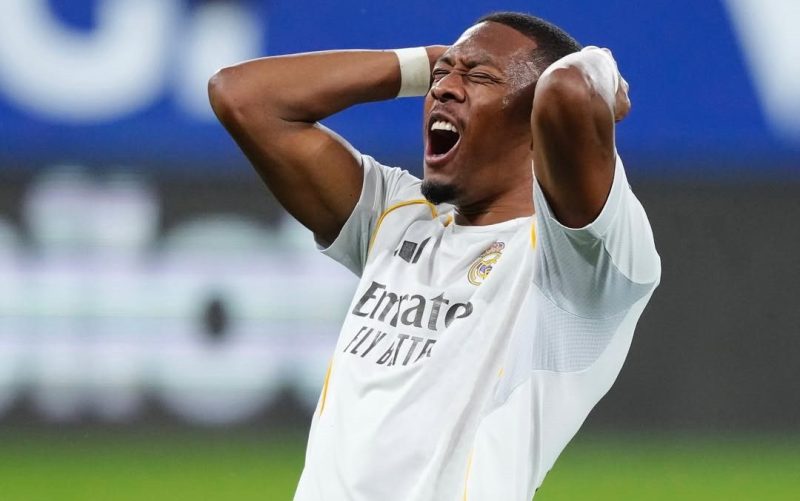
Here’s How the Ongoing Middle East War Is Impacting Sports and Athletes
Sports usually offer a break from politics and conflict, but the current war involving Iran, the United States, and Israel is proving that global events rarely stay outside the stadium. Tournaments are being canceled. Athletes are stuck far from home. Major competitions now sit under a cloud of uncertainty.
The ripple effect spreads far beyond the Middle East. Football matches in Europe feel the tension. Motorsport organizers are scrambling to adjust schedules. Even athletes preparing for the Winter Paralympics are facing heartbreaking setbacks.
Major Sporting Events Are Being Canceled or Postponed

@fabriziorom / Instagram / One of the biggest football matches this month now hangs in limbo. The Finalissima between Spain and Argentina was scheduled for March 27 in Doha, Qatar.
Fans expected a thrilling clash between the European champions and the Copa America winners, with Lionel Messi likely leading Argentina.
Security concerns changed everything almost overnight. The Qatar Football Association postponed all football matches in the country indefinitely amid escalating tensions across the region. UEFA and CONMEBOL are now monitoring the situation closely, but organizers have not confirmed a new date for the match.
The cancellations stretch well beyond one exhibition game. Iran suspended every sporting event inside the country, including its top football competition, the Persian Gulf Pro League. Several Asian Champions League fixtures involving Iranian clubs have also been delayed while officials reassess safety conditions.
Remember, the disruption continues across neighboring countries. Bahrain halted all domestic football competitions as a precaution.
Motorsports Faces a Huge Scheduling Headache
Motorsport depends on strict schedules and global travel logistics, which makes it especially vulnerable during geopolitical crises. The war has already forced organizers to delay the opening race of the FIA World Endurance Championship, which was planned for March 28 in Qatar.
This postponement raises serious questions about upcoming races across the Middle East. The Formula 1 calendar includes Grands Prix in Bahrain and Saudi Arabia within weeks of the delayed endurance race. Those events now face growing uncertainty as teams wait for clearer security updates.
FIA president Mohammed Ben Sulayem stressed that safety will remain the top priority before any race proceeds. That statement reflects the difficult balance between protecting athletes and preserving a multi-billion-dollar racing calendar.
Even preparation events have already taken a hit. Pirelli canceled a scheduled Formula 1 tire testing session in Bahrain after security concerns intensified. Such tests help teams prepare for the season, so losing them creates further pressure on drivers and engineers heading into the championship.
Athletes Are Stranded Around the World
Athletes often rely on tight travel plans between tournaments. When flights stop and borders tighten, their entire season can unravel quickly. Several top tennis players experienced the chaos firsthand. Daniil Medvedev and Andrey Rublev finished competing in Dubai but suddenly found themselves unable to travel to California for the Indian Wells tournament. The unexpected delay disrupted their preparation and forced teams to scramble for alternate travel routes.
The travel gridlock also affected athletes from other disciplines. Indian badminton star P.V. Sindhu planned to compete at the prestigious All England Open but was unable to attend after becoming stuck at Dubai airport for several days. She eventually returned home instead of competing.
Cricket teams have also faced travel headaches. Players from the West Indies and Zimbabwe needed extra days to leave India after the Twenty20 World Cup because their usual travel route through Dubai became impossible. Such delays strain players who already spend months on demanding international schedules.
The Paralympics Impacted By the Human Cost

CBS Sports / IG / Iranian cross-country skier Aboulfazl Khatibi Mianaei became one of the most visible victims of the travel crisis.
He hoped to compete in his third Winter Paralympics, but organizers could not secure a safe route for him to travel from Iran to Italy.
The International Paralympic Committee explored multiple travel options before concluding the journey carried too much risk. The decision forced Mianaei to withdraw from the Games despite years of preparation and training.
IPC president Andrew Parsons described the situation as a violation of the Olympic truce, a tradition that calls for peace during international sporting events.
More in Latest News
-
`
 LeBron James, Bronny James Create Historic Father‑Son Moment in NBA
LeBron James and Bronny James added another unique chapter to the NBA record book as the Los Angeles Lakers neared the...
April 25, 2026 -
`
61-YO Cancer Survivor Aspires to Become College Football’s Oldest Player
Tom Green is not easing into retirement or slowing down with age. At 61, he is waking up before sunrise, heading...
April 25, 2026 -
`
Why Teen Basketball Now Feels Like a Pro Career Path
Teen basketball no longer sits quietly in school gyms with modest crowds and limited attention. It has grown into a high-stakes...
April 23, 2026 -
`
Chiefs Launch “Let Her Play” Campaign for Kansas Girls Flag Football
A new wave of attention is building around girls’ flag football in Kansas, as support grows for its recognition at the...
April 19, 2026 -
`
Teen Boxer Who ‘Used to Cry Before Every Fight’ Wins Golden Girl Championships in Sweden
Isabel Mitchell does not look like someone who once struggled to step into a boxing ring. She stands confident, focused, and...
April 19, 2026 -
`
Former WWE Star Matthew Rehwoldt Announces Retirement Comeback
Former WWE performer Matthew Rehwoldt, known in the ring as Aiden English, has generated new buzz in the wrestling community after...
April 17, 2026 -
`
Robert Griffin III Returns to Football After Eight Years, Eyes 2028 Olympics
Robert Griffin III, the former NFL quarterback and 2011 Heisman Trophy winner, is making a notable return to competitive football after...
April 10, 2026 -
`
Ricky Hatton Death Inquest Reveals No Evidence of Suicide, Coroner Rules
The death of former boxing champion Ricky Hatton continues to raise difficult questions after an inquest heard that there was no...
April 4, 2026 -
`
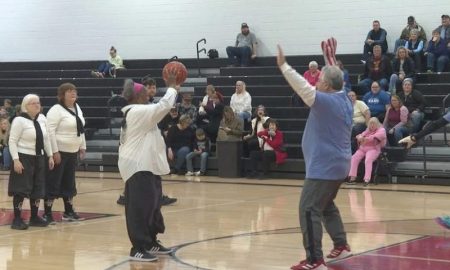
Monticello Granny Basketball League Puts a Fun Twist on Fundraising for Local Kids
On March 8, a small-town gym in Monticello, Iowa, took on a nostalgic feel. Players in bloomers moved across the court,...
March 25, 2026





More From Refinance Gold
-
Doctors Once Advised Jak Corrie to Retire – Now He’s Chasing a WBA Belt
A boxing career once placed on hold by a troubling medical opinion has now brought Jak Corrie to the edge of...
BoxingJune 14, 2026 -
How Modern Boxing Films are Redefining the Underdog Story? A Closer Look
Boxing movies have always packed an emotional punch. Audiences love watching fighters climb from hardship to glory. For decades, the formula...
BoxingJune 14, 2026 -
Titans Announce Dave McGinnis as Newest Ring of Honor Inductee
The Tennessee Titans continue to celebrate a lasting legacy after the sudden passing of Dave McGinnis. The organization now plans a...
Latest NewsJune 12, 2026 -
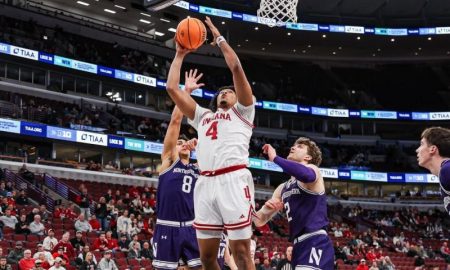
How Indiana’s FISU Games Trip to Peru Could End NCAA Drought
Indiana basketball is heading into the offseason with a schedule that looks far different from previous years. The program’s upcoming trip...
BasketballJune 7, 2026 -
Indiana Basketball Heads to Peru for FISU America Games with a Completely Rebuilt Roster
Indiana basketball is heading south this summer, but this is far more than a routine overseas trip. The Hoosiers will represent...
BasketballJune 7, 2026




You must be logged in to post a comment Login